
Duplex stainless steel pipe has become an important material solution for industries requiring a combination of high strength and excellent corrosion resistance.
Compared with conventional austenitic stainless steel grades such as 304 and 316, duplex stainless steel provides higher mechanical strength and improved resistance to chloride-induced corrosion.
Because of these advantages, duplex pipes are widely used in:
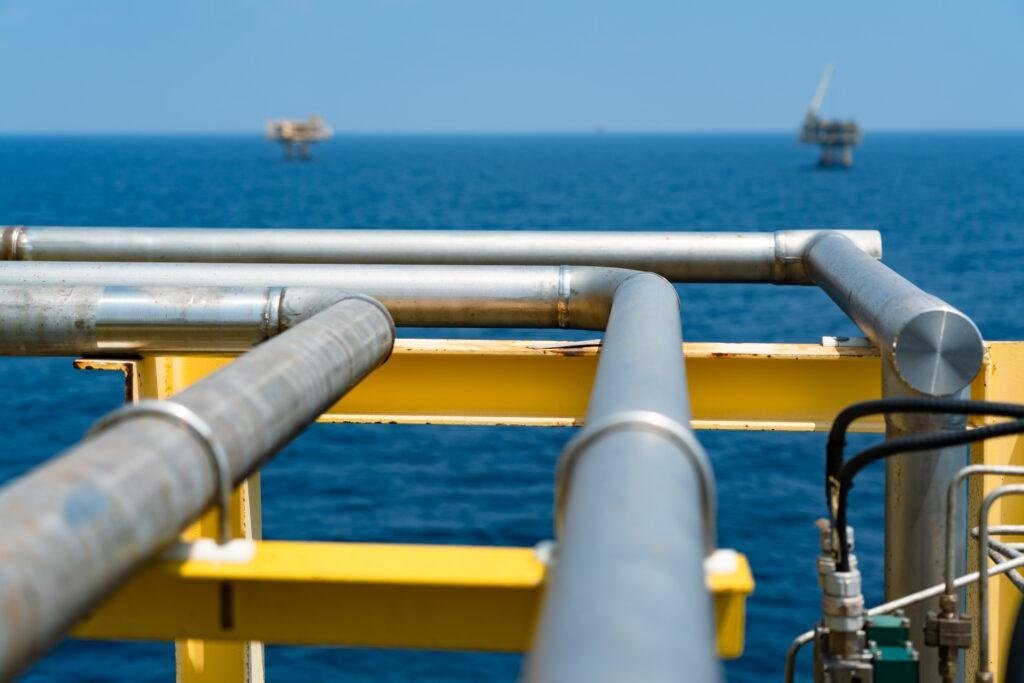
- Offshore oil and gas
- Chemical processing
- Desalination plants
- Marine engineering
- Petrochemical projects
In demanding environments, duplex stainless steel can provide longer service life and reduce maintenance requirements.
1. What Is Duplex Stainless Steel Pipe?
Duplex stainless steel is called “duplex” because its microstructure contains approximately two phases:
- Austenite
- Ferrite
This balanced structure provides:
- Higher yield strength
- Better chloride corrosion resistance
- Improved stress corrosion cracking resistance
Compared with traditional stainless steel, duplex grades can often achieve similar pressure requirements with reduced wall thickness due to their higher strength.
2. Common Duplex Stainless Steel Pipe Grades
Common grades include:
| Grade | Typical Application |
|---|---|
| UNS S31803 | General duplex applications |
| UNS S32205 | Most widely used duplex grade |
| UNS S32750 | Super duplex for severe corrosion |
| UNS S32760 | High-performance offshore applications |
UNS S32205 duplex stainless steel pipe is widely selected because it provides a good balance between corrosion resistance, mechanical strength and cost.
Super duplex grades such as UNS S32750 are often considered for:
- Seawater systems
- Offshore platforms
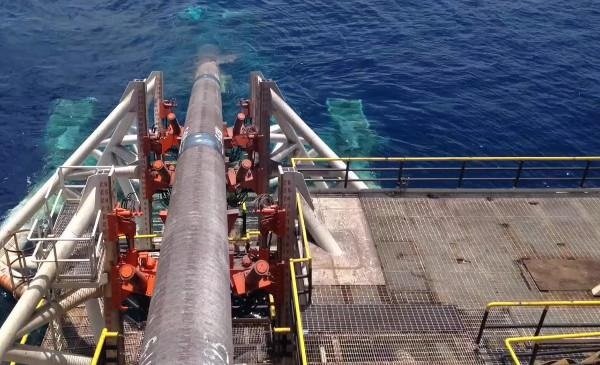
- Subsea equipment
- Chemical processing plants
3. Why Choose Duplex Stainless Steel Pipe?
Excellent Corrosion Resistance
Duplex stainless steel provides strong resistance against:
- Chloride corrosion
- Pitting corrosion
- Crevice corrosion
- Stress corrosion cracking
This makes it suitable for offshore and marine environments.
High Mechanical Strength
Duplex grades typically have higher yield strength compared with many conventional stainless steels.
Benefits include:
- Reduced wall thickness
- Lower weight
- Better pressure capability
4.Manufacturing and Quality Control
Duplex stainless steel pipe production requires strict control of:
- Chemical composition
- Heat treatment
- Ferrite content
- Mechanical properties
- Non-destructive testing
Typical inspections include:
- PMI testing
- Ultrasonic testing
- Hydrostatic testing
- Dimensional inspection
Conclusion
Duplex stainless steel pipe provides an effective solution for applications where conventional stainless steel cannot meet corrosion or strength requirements.
However, selecting the correct grade requires consideration of:
- Service environment
- Temperature
- Pressure
- Chloride exposure
- Mechanical requirements
- Project specifications
Aspera Steel supplies duplex and super duplex stainless steel pipes according to international standards and project requirements.
Contact our technical team with your material grade, size and application requirements.