
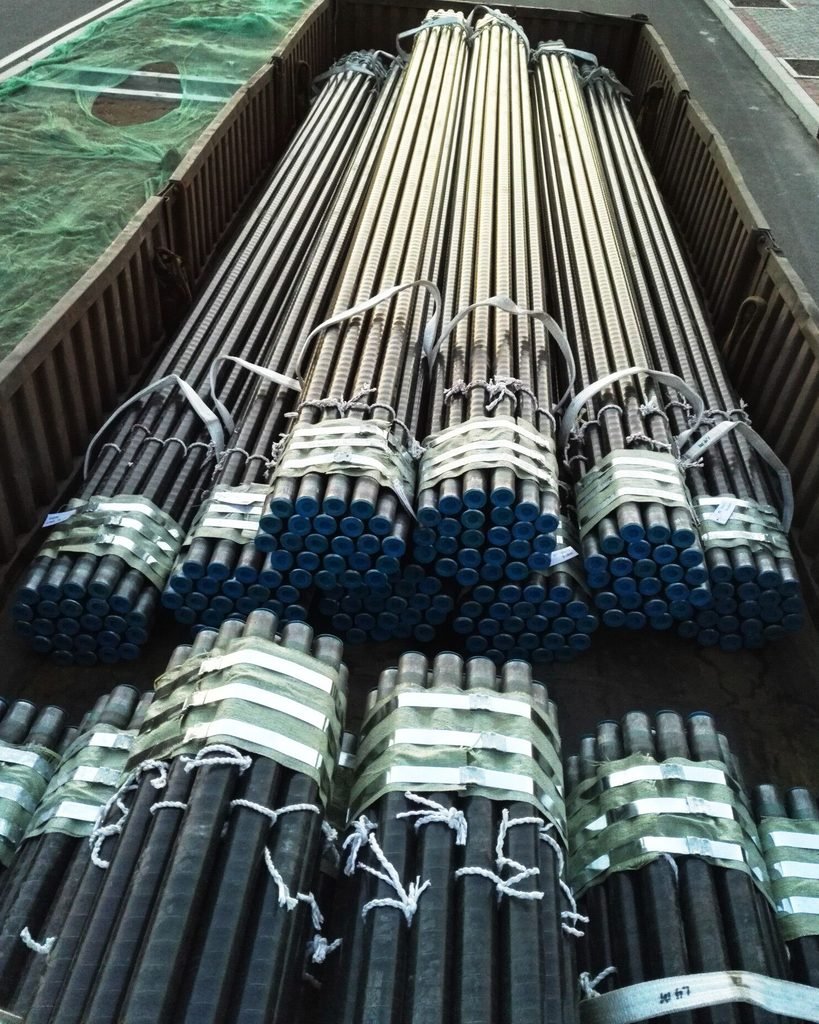
1. Why Is Proper Packaging Important for Steel Pipe Exports?
Steel pipes are commonly exported to overseas markets for oil and gas pipelines, petrochemical facilities, power plants, water transportation systems and construction projects.
Before reaching the end user, a shipment may pass through several stages:
- Factory storage.
- Internal transportation.
- Truck loading.
- Port handling.
- Container or vessel loading.
- Ocean transportation.
- Destination port unloading.
- Final delivery to the project site.
During this process, steel pipes may be exposed to humidity, salt air, rainwater, condensation, mechanical impact, vibration and repeated handling.
Even when pipes have been manufactured and inspected according to the required ASTM, API or EN standards, inadequate packaging can still result in damage before delivery.
Common transportation problems include:
- Surface rust and corrosion.
- Scratches and coating damage.
- Dented or deformed pipe ends.
- Damaged threads and bevels.
- Bent pipes caused by improper lifting.
- Loose bundles and broken steel straps.
- Contamination of stainless steel surfaces.
- Incorrect product identification.
- Water accumulation inside pipes or packaging.
These problems can increase unloading costs, delay project installation and lead to quality claims between buyers and suppliers.
Proper export packaging should therefore be treated as part of steel pipe quality control rather than simply a shipping arrangement.
The correct packaging method depends on pipe dimensions, material grade, surface finish, coating type, transportation route, storage period and unloading conditions.
2. What Are the Common Steel Pipe Export Packaging Methods?
Different steel pipes require different packaging arrangements.
Small-diameter seamless pipes, large-diameter LSAW pipes, stainless steel tubes and externally coated pipeline products should not automatically use the same packing method.
2.1 Steel-Strapped Bundles
Steel-strapped bundling is one of the most common methods for exporting small and medium-diameter steel pipes.
Pipes are arranged in a compact configuration, often with a hexagonal or square bundle shape, and secured with steel straps.
The advantages include:
- Efficient use of storage and shipping space.
- Easier counting and identification.
- Convenient handling with suitable lifting equipment.
- Reduced movement between individual pipes when properly secured.
- Lower packaging cost compared with individual wooden crates.
However, steel straps can damage the pipe surface if they are applied directly to sensitive coatings or polished finishes.
Protective pads, separators or suitable contact materials should be used where necessary.
Bundle weight and dimensions must also be compatible with the lifting equipment and destination handling facilities.
2.2 Plastic Wrapping and Waterproof Packaging
Plastic film, woven fabric and waterproof wrapping materials are commonly used to provide additional protection during export transportation.
They can help reduce exposure to:
- Rainwater.
- Dust.
- Dirt.
- External contamination.
- Surface scratches.
- Certain moisture-related risks.
Plastic wrapping is particularly useful for products requiring additional surface protection.
However, wrapping does not automatically prevent corrosion.
If pipes are packed while wet, or if moisture becomes trapped inside an inadequately designed package, condensation can create corrosion conditions.
The pipes should be properly prepared and dry before packing. Ventilation, barrier protection and desiccant arrangements should be selected according to the cargo, route and expected storage conditions.
2.3 Wooden Frames and Wooden Crates
Wooden frames, pallets and crates provide additional structural support and physical protection.
They are commonly used for:
- Small quantities of precision tubes.
- Stainless steel pipes with sensitive surface finishes.
- Special alloy steel tubes.
- Threaded pipes and fittings.
- Products requiring separation during transportation.
Wooden frames can help prevent rolling, excessive movement and direct contact with other cargo.
However, wooden packaging increases the shipment’s weight and volume.
When solid wood packaging is used in international trade, the applicable ISPM 15 requirements should be checked. Regulated wood packaging generally requires approved treatment and marking unless an exemption applies.
Plywood and other processed wood materials may be subject to different requirements.
2.4 Loose Packing for Large-Diameter Steel Pipes
Large-diameter steel pipes are often transported as individual pieces rather than small bundled units.
This is particularly common for heavy LSAW and SSAW pipes.
Individual loading may be necessary because:
- Pipe diameter and weight are substantial.
- Standard containers may not accommodate the cargo.
- Bundling may create excessive lifting loads.
- Specialized lifting and transportation equipment may be required.
Large pipes are commonly shipped by break-bulk vessel, flat rack, open-top container or other suitable transport arrangements, depending on their dimensions and weight.
Suitable wooden supports, rubber pads or other approved dunnage should be used to prevent direct contact with hard surfaces and to restrict rolling.
The loading plan should also consider the pipe’s center of gravity, lifting points and cargo securing arrangements.
2.5 Comparison of Common Packaging Methods
| Packaging Method | Typical Application | Main Advantage | Main Consideration |
|---|---|---|---|
| Steel-Strapped Bundles | Small and medium pipes | Efficient handling | Strap pressure and surface marks |
| Plastic Wrapping | Sensitive surfaces and bundled pipes | Additional surface protection | Trapped moisture |
| Wooden Frames | Precision and special pipes | Better physical support | Cost and weight |
| Wooden Crates | Small tubes and accessories | Strong protection | Volume and wood compliance |
| Individual Packing | Large-diameter pipes | Flexible handling | Requires suitable lifting and securing |
| Waterproof Covering | Long-distance sea freight | Reduces exposure to external water | Must be suitable for the cargo and route |
The final packing arrangement should be confirmed between the buyer and manufacturer before shipment.
3. How to Prevent Rust and Corrosion During Sea Transportation
Rust is one of the most common problems associated with exporting carbon steel pipes.
Sea transportation exposes cargo to changing temperatures, high humidity and potentially corrosive environments.
One particular risk is container condensation, sometimes referred to as container rain.
3.1 Control Moisture Before Packaging
Pipes should be inspected and dried appropriately before export packing.
Particular attention should be paid to:
- Internal pipe surfaces.
- Pipe ends.
- Areas around bevels.
- Contact points between bundled pipes.
- Surfaces that have been washed or exposed to rain.
Packing wet pipes can trap moisture and increase the likelihood of corrosion.
3.2 Apply Suitable Anti-Rust Protection
Depending on the material and product requirements, corrosion protection may include:
Temporary Anti-Rust Oil
Applied to suitable carbon steel surfaces to reduce exposure to moisture and oxygen.
VCI Packaging
Volatile Corrosion Inhibitor materials release corrosion-inhibiting compounds within a suitable enclosed package.
VCI films, papers and emitters may be used for selected steel products.
Their suitability depends on the metal, packaging design, storage duration and environmental conditions.
Protective Coatings
Temporary protective coatings may be applied where specified by the purchase order.
The coating must be compatible with the intended application and subsequent surface preparation requirements.
Desiccants
Desiccants can absorb moisture within suitably designed packaging or enclosed cargo spaces.
They should be selected and positioned according to the expected moisture load and packaging configuration.
No single anti-rust measure guarantees complete protection throughout an entire ocean shipment.
A suitable combination should be selected according to the product condition, route and expected transit and storage period.
3.3 Prevent Container Condensation
Container condensation can occur when temperature changes cause moisture in the enclosed air to condense on cooler surfaces.
This may result in water droplets forming on the container roof, walls or cargo.
Practical precautions include:
- Inspecting containers for leaks and damaged flooring.
- Ensuring the cargo is dry before loading.
- Using suitable moisture-control materials.
- Avoiding direct contact between steel pipes and standing water.
- Reviewing the use of waterproof barriers and ventilation.
- Considering the route, season and transit duration.
It is important to avoid sealing wet products inside impermeable wrapping.
4. How to Protect Steel Pipe Ends During Transportation
Pipe ends are particularly vulnerable to impact damage during loading, unloading and handling.
Damage to the ends can create problems during welding, threading and installation.
4.1 Plastic Pipe End Caps
Plastic end caps are commonly used to protect pipe ends.
They help prevent:
- Dust and dirt entering the pipe.
- Minor impact damage.
- Contamination during storage.
- Damage to exposed end surfaces.
They are suitable for many standard steel pipe products, provided the cap fits securely.
4.2 Thread Protectors
Threaded steel pipes require special protection.
Thread damage may affect connection quality and create installation problems.
Suitable thread protectors should cover the threaded section and remain securely attached during transportation.
Protectors should be selected according to the thread type, dimensions and handling requirements.
4.3 Bevel Protectors
Beveled ends are used in many welded pipeline applications.
Damage to the bevel can affect joint preparation and welding quality.
Metal or heavy-duty plastic bevel protectors may be used to protect the prepared ends.
The protection should not damage the bevel surface or interfere with subsequent inspection and welding.
4.4 Flange and Special Connection Protection
Where pipes are supplied with flanged ends or special connections, protective covers should be selected to prevent damage to sealing faces and machined surfaces.
For these products, individual packing or dedicated wooden supports may be more suitable than standard bundled packaging.
5. How to Prevent Scratches, Dents and Coating Damage
Mechanical damage can occur when pipes move against one another or contact hard surfaces during handling and transportation.
The risk is particularly important for externally coated pipes and stainless steel products.
5.1 Use Suitable Separators
Separators made from rubber, plastic, wood or other suitable materials can reduce direct contact between pipes.
Their selection depends on the surface finish and material compatibility.
For coated pipes, separators should not contain sharp edges or materials that may damage the coating.
5.2 Control Steel Strap Pressure
Straps should be tight enough to maintain bundle stability but should not apply excessive pressure.
Excessive strap tension can:
- Leave permanent marks.
- Deform thin-wall pipes.
- Damage protective coatings.
- Distort bundle geometry.
Protective pads should be placed between straps and sensitive pipe surfaces where necessary.
5.3 Use Suitable Lifting Equipment
Improper lifting is a major cause of transportation damage.
Recommended precautions include:
- Using suitable lifting beams or spreader beams for long pipes.
- Selecting slings compatible with the pipe surface.
- Using soft slings or protective contact materials where appropriate.
- Avoiding direct lifting with hooks that can damage pipe ends.
- Following the approved lifting arrangement and equipment capacity.
Bundles should be lifted only through suitable designated lifting arrangements.
The steel straps that hold a bundle together should not automatically be treated as lifting points.
6. Special Packaging Requirements for Different Steel Pipe Products
Different steel pipe materials and surface conditions require different protection strategies.
6.1 Carbon Steel Pipes
Carbon steel is susceptible to corrosion when exposed to moisture.
Common packaging considerations include:
- Temporary anti-rust protection where required.
- Waterproof wrapping.
- Protective end caps.
- Secure steel-strapped bundles.
- Suitable storage before shipment.
For long-distance sea freight, the expected storage and transit period should be considered when selecting rust prevention measures.
6.2 Stainless Steel Pipes
Stainless steel pipes require particular attention to surface cleanliness and contamination control.
Iron particles transferred from carbon steel tools, straps or contact surfaces may cause rust staining on stainless steel.
Recommended precautions include:
- Separating stainless steel from carbon steel products.
- Using clean and compatible packing materials.
- Avoiding direct contact with carbon steel where surface contamination matters.
- Using protective film or individual wrapping for sensitive finishes.
- Protecting machined and polished surfaces.
The packaging method should be compatible with the stainless steel grade and surface finish.
6.3 Galvanized Steel Pipes
Galvanized pipes have a zinc coating that provides corrosion protection.
However, improper stacking and transportation can cause coating damage.
Recommended measures include:
- Using separators between pipes.
- Avoiding excessive strap pressure.
- Preventing prolonged wet storage.
- Maintaining suitable ventilation.
- Avoiding unnecessary coating abrasion.
The packaging should also allow the products to be inspected and identified without damaging the galvanized surface.
6.4 3PE and FBE Coated Steel Pipes
Externally coated pipes require additional protection because damage to the coating can expose the steel substrate.
For 3PE and FBE coated products, buyers should consider:
- Suitable padded supports.
- Protective materials at contact points.
- Proper sling selection.
- Controlled stacking.
- Protection against sharp edges.
- Avoiding excessive friction during loading.
The coating should be inspected before shipment and after unloading when specified by the project.
6.5 Alloy Steel and Precision Tubes
Alloy steel pipes and precision tubes may require additional surface and identification protection.
Depending on the product, this may include:
- Individual wrapping.
- Protective end caps.
- Wooden cases.
- Moisture protection.
- Clear grade and heat number identification.
Packaging should maintain product traceability throughout transportation.
7. How Should Steel Pipes Be Loaded into Shipping Containers?
Container loading is not simply a matter of fitting as many pipes as possible into the available space.
The cargo must remain stable during transportation and must not exceed the applicable container payload, floor loading, lifting or securing limitations.
7.1 Inspect the Container Before Loading
Before loading, check:
- Container floor condition.
- Roof and wall integrity.
- Door locking system.
- Signs of water leakage.
- Cleanliness.
- Existing cargo residue.
- Suitability for the cargo dimensions and weight.
A container with water leakage or damaged flooring should not be used without appropriate corrective action.
7.2 Use Proper Dunnage and Supports
Wooden blocks, rubber supports or other suitable materials may be used to position pipes.
The purpose is to:
- Prevent rolling.
- Distribute cargo weight.
- Reduce direct contact with the container floor.
- Limit movement during transportation.
- Protect coatings and surfaces.
The support arrangement should be designed for the actual cargo dimensions and load.
7.3 Secure the Cargo Against Movement
Steel pipes can move when exposed to vessel motion, vibration and transportation forces.
Cargo securing may include:
- Blocking.
- Chocking.
- Lashing.
- Suitable timber supports.
- Approved securing equipment.
The securing arrangement should follow the applicable cargo securing requirements and the vessel or container loading plan.
7.4 Distribute the Weight Properly
Heavy steel pipe bundles should be arranged to avoid excessive concentrated loads.
The total cargo weight, weight distribution, bundle arrangement and container limitations should be checked before loading.
The loading plan should also consider unloading requirements at the destination.
7.5 Take Loading Photographs
Photographs should be taken at important stages:
- Before loading.
- During bundle arrangement.
- After cargo securing.
- Before container doors are closed.
- After container sealing.
These records help buyers verify packing condition and provide useful evidence if transportation damage occurs.
Photographs do not replace a proper inspection or cargo securing plan, but they can improve shipment traceability.
8. Export Packaging Requirements: What Should Buyers Specify?
A common problem in international steel pipe procurement is that the purchase order simply states “Standard Export Packing.”
This description may be insufficient for special products or long-distance shipments.
Buyers should define the actual packaging requirements according to the product and shipping conditions.
The following information should be included where relevant.
| Packaging Item | Requirements to Specify |
|---|---|
| Product Type | Seamless, ERW, LSAW, SSAW or stainless steel pipe |
| Dimensions | Outside diameter, wall thickness and length |
| Packing Method | Loose, bundled, wrapped or crated |
| Bundle Configuration | Hexagonal, square or individual pieces |
| Maximum Bundle Weight | Based on handling and unloading capacity |
| Surface Protection | Anti-rust oil, protective film or coating |
| End Protection | Plastic caps, thread protectors or bevel protectors |
| Separators | Rubber, plastic, wood or other compatible materials |
| Marking | Grade, dimensions, quantity, heat number and PO number |
| Loading Method | Container, open-top, flat rack or break-bulk |
| Cargo Securing | Dunnage, blocking, chocking and lashing |
| Special Requirements | Project-specific packing and storage conditions |
The packing specification should be agreed before production and shipment.
9. What Documents Should Accompany Export Steel Pipe Shipments?
Packaging is only one part of the export process.
The shipment should also include the necessary commercial, technical and transportation documents.
Common documents include:
9.1 Packing List
The packing list identifies the shipment contents.
It may include:
- Product description.
- Pipe dimensions.
- Material grade.
- Number of pieces.
- Number of bundles.
- Bundle identification.
- Net weight.
- Gross weight.
- Package dimensions.
9.2 Mill Test Certificate (MTC)
The MTC provides material and test information according to the applicable product specification.
It supports material identification and traceability.
9.3 Commercial Invoice
The commercial invoice records the transaction details, including:
- Seller and buyer.
- Product description.
- Quantity.
- Unit price.
- Total value.
- Currency.
- Agreed trade terms.
9.4 Bill of Lading (B/L)
The bill of lading is a key shipping document for ocean transportation.
It provides information about the shipment, carrier and transportation arrangement.
9.5 Certificate of Origin
A Certificate of Origin may be required depending on the destination country’s import regulations, customs procedures and trade arrangements.
9.6 Inspection and Packing Records
Where required, buyers may also request:
- Final inspection reports.
- Third-party inspection reports.
- Packing inspection records.
- Container loading photographs.
- Container number and seal number records.
The exact documentation requirements should be confirmed before shipment.
10. Common Mistakes That Cause Steel Pipe Transportation Damage
Several avoidable mistakes can lead to cargo claims and delivery delays.
Mistake 1: Using the Same Packaging for Every Pipe Type
Carbon steel, stainless steel, galvanized steel and coated pipes have different protection requirements.
Mistake 2: Packing Wet Pipes
Moisture trapped inside wrapping or pipe bores can contribute to corrosion during storage and sea transportation.
Mistake 3: Ignoring Pipe End Protection
Unprotected bevels and threads may be damaged during handling.
Mistake 4: Excessive Strap Tension
Tight steel straps can damage sensitive surfaces and thin-wall pipes.
Mistake 5: Improper Container Loading
Poor weight distribution and inadequate cargo securing can result in movement, deformation and impact damage.
Mistake 6: Mixing Different Grades and Sizes Without Clear Identification
Mixed bundles can create receiving errors and material traceability problems.
Mistake 7: Ignoring Destination Unloading Conditions
Packaging that is suitable for a large port crane may not be suitable for a receiving site with limited lifting capacity.
Mistake 8: Leaving Packaging Requirements Until the Shipment Stage
Special end protection, wooden crates and custom loading arrangements should be agreed during quotation and order confirmation.
11. Pre-Shipment Inspection Checklist for Steel Pipe Export Packaging
Before a steel pipe shipment leaves the factory, buyers and suppliers should verify the following items.
| Inspection Item | What to Check |
|---|---|
| Product Condition | No unacceptable dents, scratches or deformation |
| Surface Protection | Required coating, oiling or wrapping completed |
| Pipe Ends | Caps, thread protectors or bevel protectors installed |
| Bundling | Correct arrangement and secure straps |
| Separators | Suitable protection between contact surfaces |
| Bundle Weight | Within agreed lifting and handling limits |
| Marking | Correct grade, size, heat number and order identification |
| Packaging | Matches the purchase order |
| Container | Clean, dry and structurally suitable |
| Cargo Securing | Proper blocking, chocking and lashing |
| Documentation | Packing list and other required documents checked |
| Photographs | Packing and loading records completed |
This inspection should be performed before the cargo is released for shipment.
12. Frequently Asked Questions
How are steel pipes normally packaged for export?
Small and medium-diameter pipes are commonly packed in strapped bundles. Plastic wrapping, protective end caps and wooden supports may be added according to the product and transportation requirements.
Large-diameter pipes may be shipped individually or in specialized transport arrangements.
How can steel pipes be prevented from rusting during sea transportation?
Common measures include drying the pipes before packing, applying suitable temporary corrosion protection, using appropriate wrapping, and controlling moisture inside the cargo space.
The correct method depends on the pipe material, shipping route and expected storage period.
Do all steel pipes require wooden crates?
No. Many standard carbon steel pipes are exported in strapped bundles. Wooden crates are more commonly considered for small quantities, precision tubes, special products and sensitive surface finishes.
Why are plastic end caps used on steel pipes?
They help protect pipe ends from impact, dust and contamination during handling and storage.
Special thread or bevel protectors should be used where the connection or end preparation requires additional protection.
What is the best way to pack stainless steel pipes?
Stainless steel pipes should be protected against surface contamination, scratches and contact with carbon steel. Clean separators, compatible straps and protective wrapping may be used according to the surface finish.
Can steel pipes be shipped without packaging?
Some large-diameter pipes are transported individually without conventional bundling. However, they still require suitable supports, end protection and cargo securing.
What is seaworthy packaging?
Seaworthy packaging refers to a packaging and securing arrangement suitable for the expected transportation and handling conditions, including ocean freight where applicable.
It should account for moisture, cargo movement, mechanical impact, storage exposure and destination unloading.
What is the purpose of ISPM 15 for steel pipe exports?
ISPM 15 regulates international movement of certain wood packaging materials used in trade. Where regulated solid wood packaging is used, the applicable treatment and marking requirements should be followed.
What should be included in a steel pipe export packing list?
A packing list normally includes product descriptions, material grades, dimensions, quantities, bundle numbers, net and gross weights, and package identification.
How can buyers verify steel pipe packaging before shipment?
Buyers can request pre-shipment packing photographs, bundle identification records, packing lists and loading photographs. Third-party packing inspection can also be arranged where required.
13. Conclusion
Steel pipe export packaging plays an important role in maintaining product quality throughout transportation.
Improper packaging can lead to rust, surface damage, bent pipes, damaged threads, deformed bevels and cargo identification problems, even when the products have passed factory inspection.
Effective packaging should be selected according to the pipe material, dimensions, surface finish, transportation route and destination handling conditions.
For carbon steel pipes, moisture and corrosion protection are important. Stainless steel pipes require clean and compatible packing materials. Coated pipes need additional surface protection, while large-diameter pipes require carefully planned lifting, support and cargo securing arrangements.
A complete export packing specification should cover bundling, surface protection, pipe ends, marking, bundle weight, container loading and documentation.
For overseas buyers, these requirements should be agreed in the purchase order before shipment.
Looking for Steel Pipes with Reliable Export Packaging?
When requesting a quotation for seamless, ERW, LSAW, SSAW or stainless steel pipes, provide the required material grade, dimensions, quantity, destination port and any special packaging requirements.
A clearly defined export packing specification helps the manufacturer prepare suitable protection, reduce transportation risks and deliver products in the required condition.