
Seamless steel pipes have played an important role in global industrial development for more than a century. From oil and gas transportation to power generation, automotive manufacturing and advanced equipment, seamless pipes remain one of the key components supporting modern infrastructure.
However, the requirements for seamless steel pipes are changing rapidly. Traditional demand focused mainly on strength, pressure resistance and basic reliability. Future development will place greater emphasis on high-performance materials, intelligent manufacturing, low-carbon production, digital quality control and specialized applications.
As industries move toward higher efficiency and more demanding operating conditions, seamless steel pipes are expected to evolve from standard industrial products into more advanced engineering solutions.
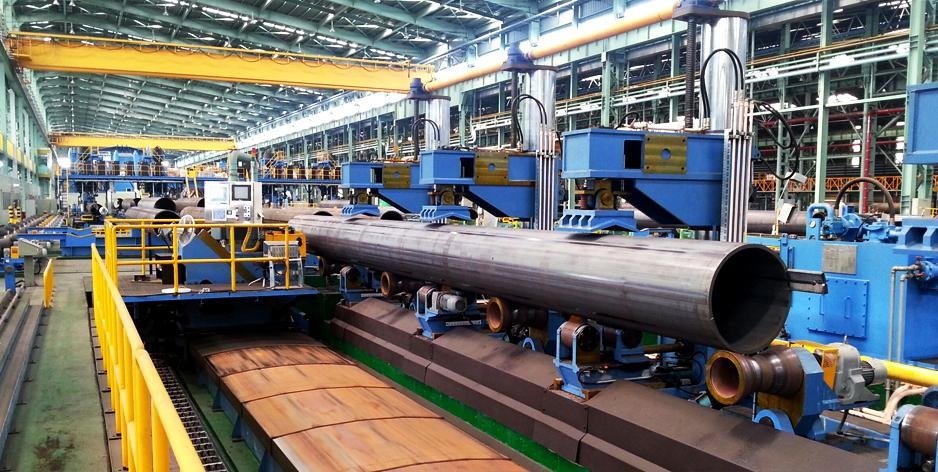
1. Increasing Demand for High-Performance Seamless Steel Pipes
The future market for seamless steel pipes will not only depend on production volume but also on the ability to provide products with higher technical performance.
Traditional carbon steel pipes remain widely used because of their balance between strength and cost. However, industries such as energy, petrochemical processing and advanced manufacturing increasingly require pipes that can withstand:
- Higher temperatures
- Higher pressures
- More corrosive environments
- Longer operating periods
- More complex service conditions
This trend is driving the development of:
- High-strength alloy steel pipes
- Stainless steel seamless pipes
- Duplex stainless steel pipes
- Nickel alloy pipes
- Ultra-thick wall seamless pipes
- High-temperature resistant materials
The future competition in the seamless pipe industry will increasingly focus on material performance rather than simply production capacity.
2. Growth of Advanced Alloy Steel Seamless Pipes
One of the most important trends in seamless pipe development is the increasing use of advanced alloy materials.
Chromium-Molybdenum Alloy Steel Pipes
Cr-Mo seamless pipes are widely used in:
- Power plants
- Boilers
- Refineries
- Petrochemical equipment
- High-temperature steam systems
Grades such as:
- ASTM A335 P11
- ASTM A335 P22
- ASTM A335 P91
provide improved:
- Creep resistance
- High-temperature strength
- Oxidation resistance
- Long-term stability
As global energy systems demand higher efficiency, ultra-supercritical power plants and advanced thermal equipment will continue to require higher-performance alloy steel pipes.
Stainless Steel and Duplex Seamless Pipes
Corrosion resistance will remain a major factor influencing future pipe selection.
Stainless steel seamless pipes are increasingly used in:
- Chemical processing
- Food and pharmaceutical industries
- Offshore engineering
- Desalination plants
- Renewable energy equipment
Duplex stainless steel combines the advantages of austenitic and ferritic stainless structures, providing:
- Higher strength than conventional stainless steel
- Better resistance to stress corrosion cracking
- Improved chloride resistance
These materials are expected to gain more applications in harsh environments where carbon steel requires extensive corrosion protection.
3. Intelligent Manufacturing of Seamless Steel Pipes
The manufacturing process of seamless steel pipes is becoming increasingly automated and digitalized.
Traditional production mainly relied on operator experience and process control. Future factories will integrate:
- Industrial automation
- Artificial intelligence
- Big data analysis
- Machine vision inspection
- Digital production management
- Real-time process monitoring
Advanced manufacturing technologies are improving production efficiency, dimensional accuracy and quality consistency. Automation and digital control are becoming important directions for seamless pipe manufacturers.
Smart Production Lines
Future seamless pipe production lines will increasingly use:
Automated Process Control
Computer-controlled systems can monitor:
- Heating temperature
- Rolling speed
- Wall thickness
- Pipe dimensions
- Cooling conditions
This reduces human error and improves product consistency.
Artificial Intelligence Quality Inspection
AI-based inspection systems can analyze:
- Surface defects
- Cracks
- Dimensional deviations
- Internal defects
Compared with traditional manual inspection, intelligent inspection can provide faster and more consistent quality evaluation.
Digital Traceability
Customers increasingly require complete material traceability.
Future seamless steel pipe supply chains will include digital records covering:
- Steel heat number
- Chemical composition
- Manufacturing history
- Heat treatment data
- Inspection results
- Shipment information
This is particularly important for oil and gas, nuclear power and other critical industries.
4. Development Toward Green and Low-Carbon Manufacturing
Environmental requirements are becoming one of the biggest challenges facing the steel industry.
Steel production is energy-intensive and traditionally relies heavily on carbon-based processes. Global steel manufacturers are increasingly exploring lower-carbon production methods, including hydrogen-based technologies and electric furnace routes.
For seamless steel pipe manufacturers, future development will include:
- Lower energy consumption
- Reduced carbon emissions
- Increased recycling
- Cleaner production processes
- Improved resource efficiency
Green Steel Pipe Production
Future sustainable manufacturing may involve:
Hydrogen-Based Steelmaking
Hydrogen can potentially replace traditional carbon-based reducing agents in steel production.
Advantages include:
- Lower CO₂ emissions
- Cleaner steel production
- Compliance with environmental regulations
Energy-Efficient Production Equipment
Manufacturers are improving:
- Heating furnace efficiency
- Rolling process optimization
- Cooling systems
- Waste heat recovery
These improvements reduce energy consumption while maintaining product quality.
Environmental Certification
Future buyers may increasingly consider:
- Carbon footprint
- Environmental product declarations
- Sustainable manufacturing certification
Green production capability may become an important competitive advantage for steel pipe suppliers.
5. Expansion into New Energy Applications
The energy transition is creating new opportunities for seamless steel pipes.
Although oil and gas will remain important markets, future demand will also come from emerging energy sectors.
Hydrogen Transportation
Hydrogen creates unique challenges because of its small molecular size and potential impact on metals.
Future hydrogen-related piping systems may require:
- High-quality steel grades
- Improved toughness
- Hydrogen resistance evaluation
- Advanced testing methods
Specialized seamless pipes may become increasingly important in hydrogen infrastructure.
Carbon Capture and Storage (CCS)
Carbon dioxide transportation is expected to become an important part of carbon reduction strategies.
CO₂ pipelines require careful consideration of:
- Pressure conditions
- Fluid characteristics
- Corrosion risks
- Material compatibility
The development of CO₂ transportation infrastructure is creating new technical requirements for pipeline materials.
Renewable Energy Equipment
Although renewable energy systems are often associated with electrical equipment, steel pipes remain important components in:
- Wind power structures
- Hydrogen systems
- Energy storage equipment
- Offshore renewable platforms
6. More Specialized Seamless Pipe Applications
Future seamless pipe development will move toward customized solutions rather than standardized products.
Different industries will require different pipe characteristics.
Oil and Gas Industry
Future requirements:
- Higher-pressure pipeline systems
- Sour service resistance
- Deep offshore applications
- Ultra-deep wells
Products:
- API 5L high-strength line pipe
- OCTG seamless pipes
- Corrosion-resistant alloy pipes
Power Generation Industry
Future requirements:
- Higher steam temperatures
- Improved efficiency
- Longer operating life
Products:
- ASTM A335 alloy steel pipes
- High-temperature boiler tubes
- Superheater and reheater tubes
Automotive and Mechanical Industry
Future requirements:
- Lightweight structures
- High precision
- Improved dimensional control
Products:
- Precision seamless tubes
- Cold-drawn seamless tubes
- High-strength mechanical tubes
7. Higher Requirements for Pipe Quality and Inspection
Future customers will demand more than basic compliance with standards.
Quality requirements will continue to increase in areas such as:
- Chemical composition accuracy
- Mechanical properties
- Surface quality
- Internal defect control
- Dimensional tolerance
- Traceability
Advanced inspection technologies will become more common.
Examples include:
- Automated ultrasonic testing
- Eddy current testing
- Laser measurement systems
- Online monitoring systems
- Artificial intelligence defect recognition
For critical industries, quality control will become a key factor when selecting suppliers.
8. Digital Supply Chain and Global Procurement
The steel pipe industry is becoming increasingly connected through digital platforms.
Future procurement trends include:
Online Technical Communication
Customers will expect suppliers to provide:
- Digital product catalogs
- Technical databases
- Specification comparison tools
- Online quotation systems
Faster Customized Production
Digital manufacturing systems allow suppliers to respond faster to:
- Special dimensions
- Custom grades
- Project-specific requirements
Transparent Supply Chain Management
Large projects increasingly require:
- Real-time production updates
- Digital documentation
- Shipment tracking
- Quality data sharing
Suppliers with stronger digital capabilities will have greater competitiveness in international markets.
9. Market Development Trends of Seamless Steel Pipes
The global seamless steel pipe market is expected to continue benefiting from demand in energy, infrastructure, industrial manufacturing and advanced engineering applications. Market research indicates that growth will be supported by oil and gas investment, industrial development and demand for high-performance piping solutions.
Future market trends can be summarized as:
| Trend | Development Direction |
|---|---|
| Material upgrading | High-strength alloy and corrosion-resistant materials |
| Manufacturing | Intelligent and automated production |
| Environment | Low-carbon and green steel production |
| Application | Energy transition and advanced industries |
| Quality control | Digital inspection and traceability |
| Supply chain | Faster customization and transparency |
10. Challenges Facing the Seamless Steel Pipe Industry
Despite strong future opportunities, the industry also faces several challenges.
Overcapacity Pressure
Traditional steel pipe markets face competition from large production capacity and price pressure.
Manufacturers need to move from volume competition toward:
- Technology competition
- Quality competition
- Service competition
Increasing Environmental Requirements
Carbon reduction policies will increase production costs and require investment in cleaner technologies.
Higher Technical Barriers
Advanced applications require:
- Better metallurgy
- More precise manufacturing
- Stronger inspection capability
- More engineering support
Small manufacturers with limited technology capability may face increasing pressure.
11. Future Development Direction of Seamless Steel Pipe Manufacturers
Successful seamless pipe manufacturers in the future will likely focus on five areas:
1. Product Differentiation
Develop specialized products instead of competing only on standard carbon steel pipes.
Examples:
- High-temperature alloy pipes
- Hydrogen-resistant pipes
- Corrosion-resistant pipes
- Ultra-high-strength pipes
2. Manufacturing Intelligence
Upgrade factories with:
- Automation
- Digital monitoring
- AI inspection
- Data management
3. Green Production
Reduce environmental impact through:
- Energy-saving technology
- Cleaner production methods
- Carbon management
4. Technical Service Capability
Customers increasingly need suppliers that can provide:
- Material selection advice
- Standard interpretation
- Application guidance
- Project support
5. Global Market Adaptation
International suppliers must understand:
- ASTM standards
- API requirements
- ASME specifications
- Regional project requirements
Technical capability will become more important than simple price competition.
Conclusion
The future of seamless steel pipes will be shaped by technological innovation, energy transformation and higher industrial requirements.
Traditional advantages such as strength and pressure resistance will remain important, but future competition will focus more on:
- Advanced materials
- Intelligent manufacturing
- Green production
- Digital quality control
- Specialized engineering solutions
From high-temperature power plants to hydrogen infrastructure and advanced industrial systems, seamless steel pipes will continue to play a critical role.
The companies that successfully combine manufacturing capability, material technology and digital innovation will be better positioned to lead the next generation of the seamless steel pipe industry.